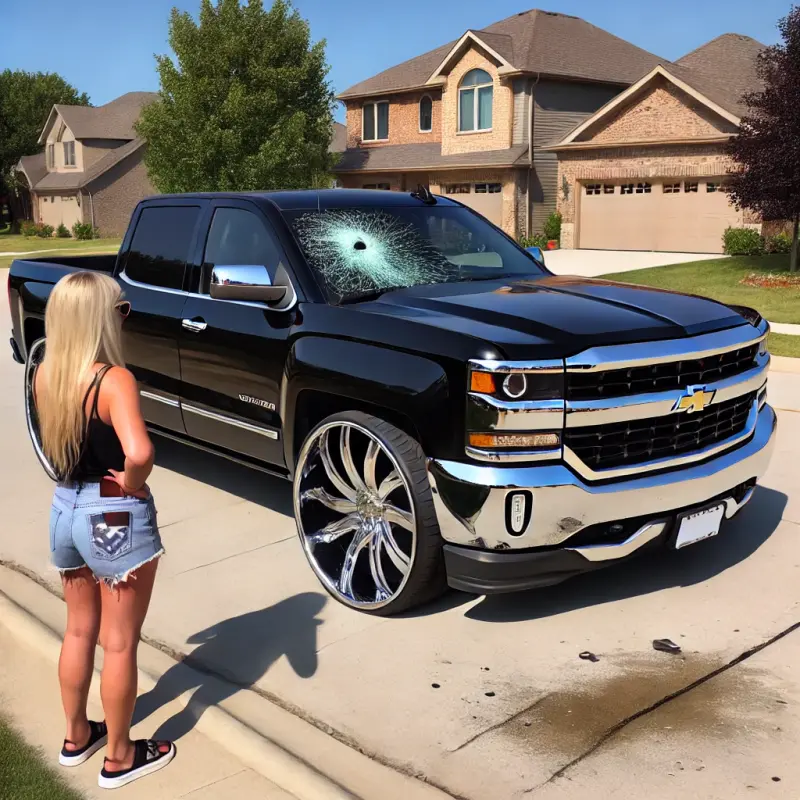
Windshield damage feels minor until it isn’t. A coin-sized chip becomes a stair-step crack after one cold snap and a hot afternoon. A spiderweb blemish looks manageable until glare hits it at sunset on I‑26. In Columbia, where weather swings and highway debris do their worst, you don’t ignore auto glass problems. You fix them quickly, and you do it with an eye on what your insurance will and won’t cover. That last part is where many drivers waste time and money. The fine print matters, and a little local know-how goes a long way.
This guide is built from years of working alongside insurers, adjusters, and auto glass technicians in the Midlands. It’s not theory. It’s what gets approvals, what stalls claims, and what actually protects you when a pebble or a fallen branch finds your windshield.
The lay of the land in South Carolina: what insurance really covers
South Carolina requires liability coverage, but that has nothing to do with your broken glass. Windshields live under comprehensive coverage. If you only carry liability, every bit of windshield repair or windshield replacement comes out of your pocket. When you carry comp, the next question is deductibles and whether your carrier waives them for glass.
Many carriers operating in Columbia offer one of three setups for glass claims:
- Standard comprehensive with a deductible that applies to glass, usually 250 to 500 dollars in this market. Comprehensive with a separate glass deductible, often lower, between 0 and 100 dollars. Full glass coverage with no deductible for windshield repair or replacement, sometimes an add‑on that runs a few dollars per month.
The trick is that these options vary by company and by your specific policy tier. The same carrier can treat two customers differently based on how a policy was written. If you don’t know your exact setup, you’re guessing with your wallet.
In practice, windshield chip repair in Columbia is often free to you even when you have a comprehensive deductible. Many insurers fully waive the deductible for repairs, because a 20‑minute resin fill prevents a thousand‑dollar windshield replacement. For full windshield replacement, some waive the deductible only when Advanced Driver Assistance Systems (ADAS) are involved, since calibration raises both cost and safety stakes, while others never waive it. There isn’t a statewide glass mandate like some states have, so you have to read your declarations page or call your agent.
Repair or replace: the decision insurers and shops agree on
A minor chip is not a moral victory. It is a race against time and temperature. Insurers typically follow simple thresholds for windshield repair versus replacement:
- A chip or bull’s‑eye up to the size of a quarter, not in the driver’s direct line of sight, and not at the edge of the glass, is repairable. A short crack, roughly 3 inches or less, can sometimes be stopped with a resin injection. Past that length, or when a crack branches, replacement is the safe call. Any damage that intrudes into the camera zone for lane centering or automatic emergency braking turns the decision toward replacement and calibration.
Edge cracks matter. The perimeter of a windshield handles structural loads. If a crack starts within a couple inches of the edge, replacement is the rule, not the exception. Also, a chip that’s been contaminated by water and dirt for months won’t repair cleanly. You’ll still stop the spread, but the blemish will remain visible, and some insurers will opt to replace rather than pay for a cosmetic outcome that disappoints you.
From a risk point of view, the vehicle doesn’t care about your schedule. Leave a chip in place through a cold snap and a warm afternoon, and the crack grows. Every pothole on Two Notch shakes the glass. Every heat cycle stresses it. The safe bet is to schedule windshield chip repair within a day or two. If you need mobile help, most mobile auto glass Columbia crews will come to your driveway or office, inject the resin, cure it with UV light, and have you back behind the wheel with no down time.
What comprehensive claims look like in real life
The call sequence matters. When drivers let their auto glass shop initiate the claim with the insurer’s glass network, approvals tend to move faster. You can call your carrier first, but the network will often transfer you to a preferred auto glass shop in Columbia anyway. If you’ve got a shop you trust, put them on the phone at the start. They speak the adjuster’s language, they know the right damage codes, and they can send photos immediately. That saves you from repeating yourself three times.
Costs vary by vehicle and by windshield tech. A standard laminated windshield without sensors or heating elements might run 300 to 450 dollars installed. Add a camera for lane keep and a rain sensor, and you’re at 500 to 900 dollars. Luxury brands, heads‑up display glass, acoustic interlayers, and heated wiper park zones can push the bill north of 1,000. Calibration adds another 150 to 350 depending on whether a static target setup is needed in‑shop or a dynamic road test calibration can be done after install. Those numbers explain why insurers prefer a 100‑dollar repair over a four‑figure replacement.
If your policy has a 500‑dollar comprehensive deductible and your windshield replacement estimate is 650, the math says you pay 500 and the carrier pays 150. That surprises people who expected “covered” to mean “free.” If you’re in that situation and your vehicle qualifies for repair rather than replacement, push for repair, which many carriers will treat as no‑deductible. The shop can help make that determination properly.
OEM glass, aftermarket glass, and what’s negotiable
Columbia has reputable sources for both OEM and high‑quality aftermarket windshields. On newer vehicles with ADAS, OEM often calibrates more reliably, but that’s not a blanket rule. The right aftermarket glass can meet OE specs and calibrate perfectly. The wrong one will give a blurry camera image or cause calibration drift.
Insurers generally default to aftermarket unless your policy or the claim warrants OEM, which can happen when:
- The vehicle is new and under warranty, and your manufacturer requires OEM glass for ADAS to maintain warranty coverage. The aftermarket part is not available or is known to have calibration issues for your model. Your policy specifically states OEM parts for comprehensive claims.
You can request OEM and pay the difference if the carrier only approves aftermarket. Before you do, ask the auto glass shop in Columbia whether the aftermarket part they source includes the correct solar tint, acoustic layer, HUD reflectivity, and bracket adhesives. A lot of frustration comes from missing the small details, not from the brand on the label.
The ADAS calibration step most people overlook
Many 2016‑and‑newer vehicles require camera and radar calibration after windshield replacement. Lane departure, traffic sign recognition, adaptive cruise, and emergency braking rely on the forward camera mounted at the top of the glass. Replace the windshield, and the camera’s relationship to the road changes. Calibration puts that geometry back in spec.
There are two methods. Dynamic calibration uses a scan tool and a specified road drive at set speeds. Static calibration uses printed targets and precise measurements inside the shop. Some cars need both. Columbia roads and traffic make dynamic calibration feasible during a daytime drive, but static setups require the shop to have the targets, proper lighting, and a level floor. Not every vehicle glass repair Columbia provider invests in calibration gear. If yours doesn’t, they will sublet or refer you. Either way, ask for a calibration report. It becomes part of your insurance file and protects you if a future claim questions whether the ADAS system was set correctly.
A short anecdote from a recent case: a 2021 SUV came in for windshield replacement after a tree limb cracked the upper third of the glass. The insurer approved aftermarket glass and dynamic calibration. The tech completed the dynamic pass, but the camera failed the yaw alignment threshold by a small margin. The shop reran a static procedure with targets, passed the camera within spec, and sent both reports to the carrier. Without that second step, the lane centering would have drifted on crowned roads, and the driver would have blamed the glass when the real culprit was an incomplete calibration plan.
Mobile service done right in Columbia heat and humidity
Mobile auto glass Columbia services are convenient and, for repairs, almost always the best option. For replacements, conditions matter. Urethane adhesives have temperature and humidity windows for safe curing. On a 98‑degree August afternoon, some urethanes skin too fast and can trap moisture, while on a cold January morning they cure too slowly without primers. A good crew adjusts with the right product and sets a safe drive‑away time. If your installer tells you it’s safe to drive in 30 minutes when the spec sheet says 2 hours at those conditions, push for clarity or choose a shop with a controlled bay.
Shade helps. So does windshield prep, including a proper frit cleaning, primer flashes, and fresh gloves. When mobile, technicians should remove old urethane to a uniform thickness and avoid deep cuts into the pinchweld that invite corrosion. Rust is the silent killer. If you own an older truck with windshield rust and the mobile team discovers flaking metal, accept the referral to an in‑shop repair. Treat the rust, seal the pinchweld, then install the glass. Skipping that step is what leads to wind noise, leaks, and future structural issues.
Filing a smart claim without wasting time
Here is a straightforward checklist that keeps windshield claims clean and fast:
- Capture clear photos of the damage from outside and inside, including a close‑up and a wide shot showing location on the glass. Note the date, time, and cause if known, such as rock strike on I‑20 or vandalism in a parking lot. Call your preferred auto glass shop in Columbia and your insurer’s claims number while you are in one call, so the shop can provide details directly. Ask whether your policy waives the deductible for repair and whether ADAS calibration is covered for replacement. Confirm whether OEM glass is approved, or if aftermarket is specified, verify that the exact features match your original windshield.
Those five steps prevent the common delays: missing photos, unclear cause, and incomplete part specifications.
When you should pay cash instead of filing
Not every claim is worth the paperwork. If your comprehensive deductible is 500 and your vehicle needs a straightforward windshield repair at 75 to 125 dollars, pay cash. The claim won’t save you money, and while a single comprehensive claim typically doesn’t raise premiums by itself, some carriers track frequency. Two or three small claims in a short window can put you in a higher risk bucket. For a basic windshield replacement that totals 350 and you carry a 250 glass deductible, the claim makes sense. The savings outweigh any administrative hassle.
You can also ask the shop whether they offer cash discounts for quick payment. Many do, because skipping the insurance billing cycle reduces their overhead. It’s an honest trade. They save time, you save a little money, and your claims history stays clean.
What counts as “line of sight,” and why it matters
Insurers often deny repair for chips in the driver’s primary viewing area, usually defined as a rectangular zone centered on the steering wheel and wiper sweep. A resin repair in that space can leave a faint blur or a small optical distortion. Drivers and insurers both windshield crack repair columbia have an interest in safety there. If your chip lives in that space, the carrier is more likely to approve replacement. If it sits outside that zone and is small, repair is the route to a zero‑deductible outcome.
Technicians judge line of sight position with a practiced eye, but you can do a quick home test. Sit in your normal driving position at dusk with the streetlight glare. If your eye keeps landing on the damage when you scan the road, expect a replacement approval, which means the deductible decision comes back into play.
Rock chips, vandalism, storms: the cause affects coverage
A rock chip, a stolen catalytic converter that shatters a window, a stray baseball, or a limb from a summer thunderstorm all fall under comprehensive. If someone collides with your parked car and cracks the glass, that’s a property damage liability claim against their insurance. If you carry collision and you hit something, breaking your windshield, collision applies rather than comprehensive. Why the distinction matters: deductibles and surcharges differ. Collision claims tend to affect premiums more than comprehensive. If the event could be reasonably called a non‑collision comprehensive loss, describe it accurately. Do not stretch the truth. Adjusters weigh police reports, timestamps, and weather logs. Accuracy keeps your claim clean.
Picking the right auto glass shop in Columbia
Glass work looks easy until you drive away and the first rain hits. A good auto glass shop Columbia drivers trust will have a few telltale signs:
- They explain options clearly, including repair versus replacement and OEM versus aftermarket, without pushing the most expensive choice by default. They show calibration capability or a reliable partner, and they provide calibration documentation. They warranty both materials and workmanship, not just the glass itself, and they commit to fix wind noise, leaks, or stress cracks that appear after install. Their mobile trucks are clean and stocked, and they respect safe cure times rather than rushing your car back onto the road. They handle the insurer network gracefully, but they respect your choice if you prefer to pay cash.
Columbia has a healthy mix of independent shops and national chains. Independents often move faster for same‑day windshield repair Columbia drivers need, while chains can leverage supplier stock for rare parts. What matters more than the logo is the technician’s experience and the shop’s process discipline.
Sun, heat, and defrosters: Columbia‑specific wear and tear
Midlands heat cooks dashboards and dries out wiper blades. Worn blades turn a clean windshield into a scratched one. If your blades chatter, replace them before they carve arcs across your field of view. Park in shade when you can, or crack windows slightly to vent heat. The temperature swing between a blast of AC and a sun‑baked windshield accelerates tiny cracks. If you spot a crack that changes length with temperature, move quickly. This is Columbia, not a mild coastal town. Thermal shock is real.
On winter mornings, resist pouring hot water on frosted glass. It’s tempting when you’re late for work. That thermal shock does what gravel alone might not. Use the defroster, give it a couple minutes, and avoid scraping vigorously near existing chips.
Side and rear glass, and how coverage differs
Windshields are laminated. Side and rear windows are usually tempered. When they fail, they shatter into small beads. Car window repair Columbia providers replace side and rear glass differently, and these parts rarely have ADAS implications. Insurance treats them under comprehensive as well, typically with the same deductible rules. Mobile service works well for a rear quarter glass on a calm day, but any rear defroster wiring demands careful handling. If an installer breaks a defroster tab, they should repair or replace the grid. Don’t accept “it happens” as the end of that conversation.
If vandals break a side window, photograph the damage, keep broken glass for the adjuster if requested, and consider filing a police report. Some carriers ask for a case number for vandalism claims. It rarely changes coverage, but it legitimizes the loss.
What to expect after a proper windshield replacement
A neat bead of urethane, consistent glass sitting depth, and a clean interior signal good work. You may hear a faint curing odor for a day or two. Avoid car washes with high‑pressure jets for at least 24 to 48 hours, depending on the adhesive. If you notice wind noise at highway speed, return promptly. It could be a molding that didn’t seat or a small gap at a corner, both fixable. If rain reveals a leak, don’t let it ride. Water sneaks under carpets and into body modules. A 10‑minute reseal today beats a flooded BCM later.
Watch for dash warnings tied to ADAS after calibration. If the lane keep or forward collision warning lights persist, ask the shop to rescan. Many cars need a short drive cycle for systems to fully re‑initialize. If warnings remain, a static recalibration usually clears the last degrees of misalignment.
The economics: when coverage changes your glass strategy
If you carry full glass with a zero deductible, don’t hesitate. Schedule repair the day a chip appears. Schedule windshield replacement Columbia drivers need as soon as cracks form. You already paid for the privilege through premiums. If you have a 250 or 500 deductible, your strategy is more nuanced. Fix small chips out of pocket or through no‑deductible repair coverage. For larger cracks, ask the shop for an itemized estimate and consider timing the claim apart from other comprehensive claims to avoid frequency flags. If you’ve had two glass claims this year, and a third chip appears, talk to your agent about whether a repair would count as a claim before proceeding.
For fleets and business vehicles, ask about glass riders that price out to a few dollars per vehicle per month. A delivery van that lives on gravel shoulders along Broad River Road will break windshields. Budget for it, or you will play deductible roulette every quarter.
Tying it back to safety, not just paperwork
A windshield is a structural member. In a frontal collision, it helps keep the passenger airbag in place. In a rollover, it contributes to roof strength. Good glass, bonded correctly, is not cosmetic. The insurance dance matters because it sets whether you repair today or delay until payday. The bargain is simple. Your insurer saves money by encouraging early repair, you save money and avoid a bigger claim, and your car remains safe to drive.
When you notice a cracked windshield Columbia roads helped create, take the first step. Call a trusted provider of auto glass services Columbia residents recommend, confirm your coverage, and move. Whether it’s vehicle glass repair Columbia technicians can handle in your driveway, or a full shop visit with calibration, you have options. The fastest route from problem to solution pairs practical insurance knowledge with a shop that treats fit and finish as non‑negotiable.
If you drive in the Midlands long enough, a chip will find you. Prepared drivers turn it into a short errand instead of a costly saga. That’s the difference between waiting for help and knowing exactly whom to call, what to ask, and how your policy will respond.